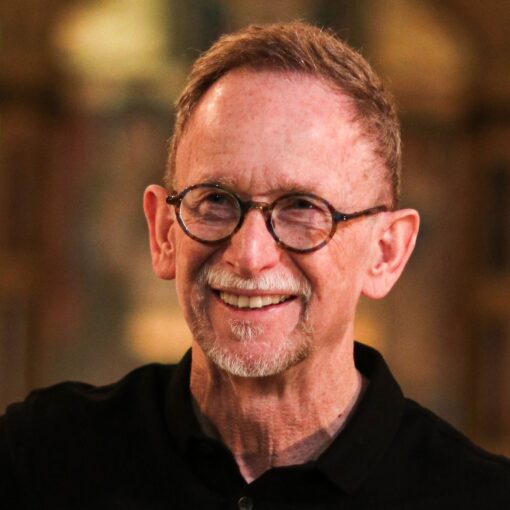
Julian Keith Getty was born December 16, 1974, in Lisburn, Northern Ireland. His musical training began at age eleven on the guitar and flute, with later formal studies at Durham University and Tanglewood in Massachusetts. He continued his study in conducting, arranging, and orchestrating and was helped greatly in his career by Irish flautist James Galway. After success in the commercial entertainment industry, Getty now concentrates his efforts on writing modern church music.
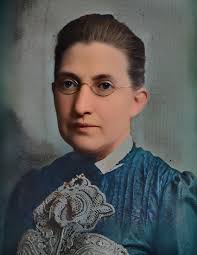
Stuart Townend was born in 1963, the youngest of four children of a Church of England vicar in Halifax, West Yorkshire, England. He began piano study at age seven and studied literature at the University of Sussex. He began writing songs and hymns at age twenty-two. He has been a successful song writer, arranger, worship leader, and publishing executive, as well as performer on piano, guitar, and banjo.
Getty and Townend have relocated to the U.S.A., where they remain busy as collaborators, recording new projects, touring, writing, arranging, performing, leading worship, and speaking at conferences. Getty is also a frequent collaborator with his wife, Kristyn.
“The Power of the Cross” is a meditation on the sufferings of Christ.
Over the past couple of years, we have been working through the Apostles Creed and writing hymns teaching the fundamental beliefs of Christianity.
The Creed teaches that ‘He suffered under Pontius Pilate’, and in communion we are commanded to ‘remember his death ’til he comes’. In the New Testament, Paul and the Apostles often preached and prayed in more detailed and visual ways about the cross, turning all of our senses to Christ’s sufferings and their significance.
Stuart and I considered how the reality of His sufferings should penetrate our worship services and were challenged by the need to explain the overwhelming significance and implications these have for our lives. In our congregational worship the sufferings of Christ have often only been given a surface glance and it is hardly surprising that the theological meaning often remains confused:
Our hope is that the hymn; “The Power of the Cross” will be a resource to the church as a declaration of what we believe; a challenging reflection on Christ’s sufferings and a powerful song for Easter or Communion services.
It is also our hope that people will be challenged again by the wonder and the power of the cross.”