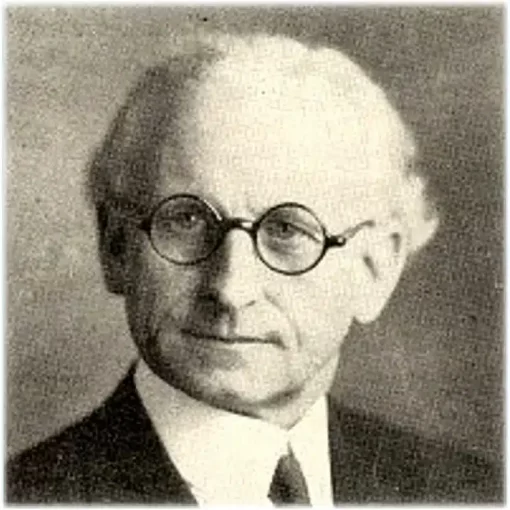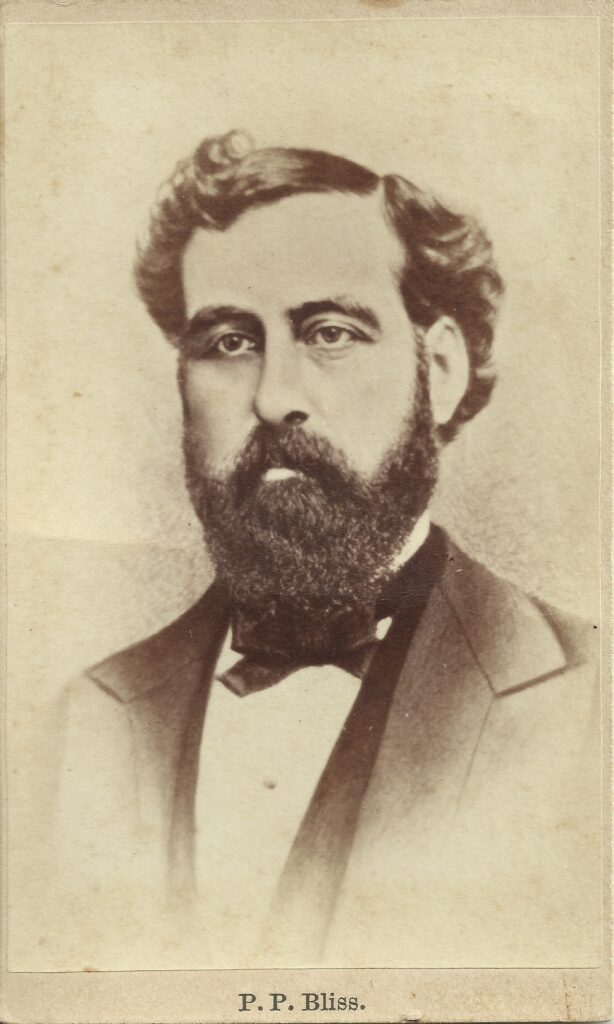
Philip Paul Bliss (1838–1876) was an American composer, hymn writer, and singer, best known for his contributions to Christian hymnody during the 19th century. Born on July 9, 1838, in Clearfield County, Pennsylvania, Bliss became a prominent figure in the evangelical Christian music scene.
Early Life and Conversion:
Philip Bliss grew up in poverty, and at the age of 12, he left home to work on a farm. In his teenage years, he developed a passion for music and began singing in church choirs. He later attended a singing school where he honed his musical skills.
Bliss’s life took a significant turn when he attended a revival meeting led by evangelist J. P. Morgan. At this meeting, Bliss experienced a profound spiritual conversion, marking the beginning of his commitment to Christian ministry through music.
Musical Career:
Bliss’s talent as a singer and songwriter quickly gained recognition. He became associated with prominent evangelists, including Dwight L. Moody, and traveled extensively as a singing evangelist. Bliss collaborated with various evangelists, contributing to the success of their revivals through his musical abilities.
Hymn Writing:
Philip Bliss composed numerous hymns, many of which are still sung today. Some of his well-known hymns include “It Is Well with My Soul” (with lyrics by Horatio Spafford), “Hallelujah, What a Savior!” (Man of Sorrows), “Almost Persuaded,” and “Wonderful Words of Life.”
Exciting Stories:
- Creation of “It Is Well with My Soul”: One of the most remarkable stories associated with Bliss involves the hymn “It Is Well with My Soul.” The lyrics were penned by Horatio Spafford after he suffered significant personal tragedies. Bliss composed the music, and the hymn was first sung at a Moody campaign meeting in Chicago. The powerful combination of Spafford’s poignant lyrics and Bliss’s moving melody has made this hymn a timeless classic.
- Innovations in Evangelistic Music: Bliss was known for incorporating innovative musical elements into his evangelistic meetings. He used a portable reed organ called the “Gospel Harp” and popularized the use of large choirs in evangelistic campaigns, contributing to a more dynamic worship experience.
Tragic End:
Philip Bliss’s life was cut short in a tragic train accident on December 29, 1876, near Ashtabula, Ohio. He and his wife, Lucy, were on their way to Chicago when their train derailed and caught fire. Both Philip and Lucy perished in the accident, leaving behind a legacy of powerful hymns that continue to inspire and uplift Christians worldwide.