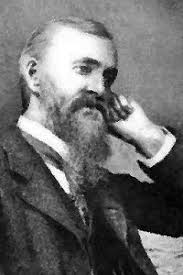
“Angels We Have Heard on High” was written in 1862 by James Chadwick, an Anglo-Irish Roman Catholic who served as Bishop of Hexham and Newcastle. He modeled the song after a French Christmas carol called “Les Anges dans nos Compagnes,” which translates to “The Angels in our Countryside.” Though the English version derives from the French version, the lyrics of the English version differ enough from the French version for the song to be considered its own work.
The hymn is usually sung to a tune called “Gloria” arranged by American organist Edward Shippen Barnes. “Gloria in excelsis Deo” means “Glory to God in the highest” in Latin; the angels proclaim these words when they visit the shepherds in the Gospel of Luke.
The first instance of “Gloria in excelsis Deo” appearing in a Christian hymn came a long time ago. Psalmi idiotici, “private psalms” written in imitation of the Biblical psalms, were popular in the second and third century CE. “Gloria in excelsis Deo” is the first line of one of those “private psalms” written in Latin.
The way the word “Gloria” is sung in “Angels We Have Heard on High” is melismatic. This effect enhances the idea of what a host of celestial beings singing might sound like, and it adds to the sense of merriment in the carol.