Charlotte Elliott:
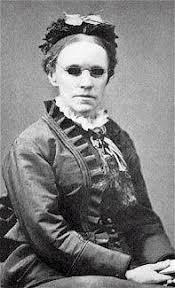
Charlotte Elliott, born in Clapham, London, in 1789, was the granddaughter of Rev. H.V. Elliott, a pastor and hymnwriter. Charlotte faced significant health challenges throughout her life, and by her early thirties, she found herself in a state of spiritual distress. She struggled with feelings of inadequacy and uncertainty about her relationship with God.
The Composition of the Hymn:
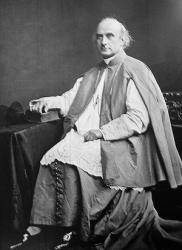
In the early 19th century, during a visit to Brighton in England, Charlotte Elliott had a conversation with Dr. César Malan, a Swiss minister, about her spiritual struggles. In response, he urged her to come to Christ just as she was. This conversation deeply impacted Charlotte, and she eventually found peace and assurance in her faith.
As a result of this experience, she wrote the hymn “Just As I Am” in 1835. The hymn reflects the theological concept of “coming to Christ just as one is” and finding acceptance and forgiveness in Him. The lyrics emphasize the unconditional love and grace of God.
Publication and Impact:
The hymn gained popularity over the years and was included in various hymnals. It became especially well-known in the context of evangelical revival meetings and crusades where it was often used as an invitation hymn. Evangelist Billy Graham, in particular, played a significant role in popularizing the hymn during his crusades, using it as an invitation for individuals to come forward and make a public commitment to Christ.
Musical Settings:
The hymn has been set to various tunes over the years, but one of the most well-known melodies for “Just As I Am” was composed by William B. Bradbury. The combination of Charlotte Elliott’s poignant lyrics and a beautiful melody contributed to the enduring appeal of the hymn.
Enduring Legacy:
“Just As I Am” has become a cherished hymn in Christian worship, embraced by a wide range of denominations. Its lyrics continue to resonate with people seeking solace, redemption, and a deep connection with their faith.
While the hymn’s history is rooted in a personal spiritual journey, its universal themes of grace, acceptance, and the invitation to come to God just as we are have made it a timeless and beloved piece of Christian hymnody.