“My lips will shout for joy when I sing praise to you-I whom you have delivered.” – Psalm 71:23
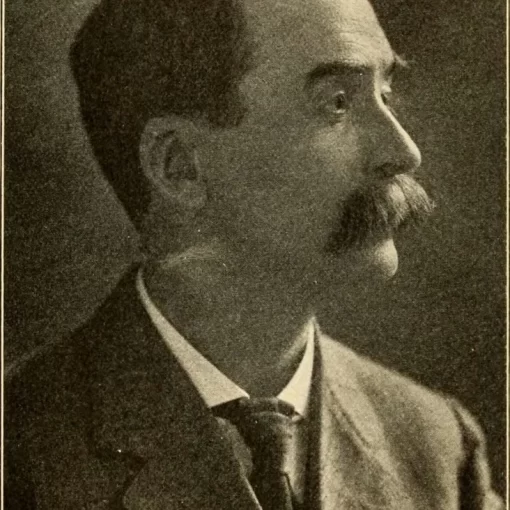
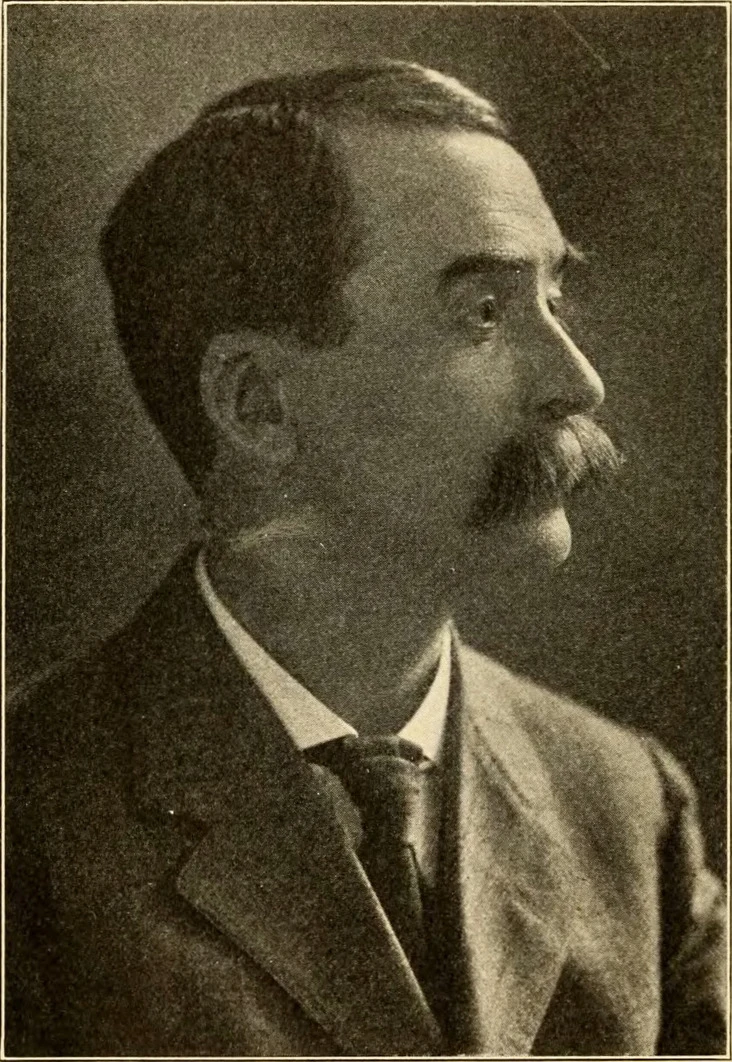
The author of the hymn, Henry Jackson van Dyke, was born in Pennsylvania in 1852 and became pastor of the Brick Presbyterian Church in New York City. Henry later became professor of English literature at Princeton and the author of a number of books, including the still popular The Other Wise Man. Henry Van Dyke wrote the lyrics to “Joyful, Joyful; We Adore Thee” in 1907. The music was set to Beethoven’s “Ode to Joy” and written in common time. This song has been published in over 250 hymnals, and most people recognize the music, even if they don’t know the words of the song. This article looks at the history and message of the lyrics in this timeless hymn.
Beethoven composed “Ode to Joy” in 1824. This instrumental piece was the last movement of his final symphony. When the work premiered, it was Beethoven’s first time on the stage in twelve years, and people were excited to hear it. After the performance, Beethoven continued to conduct even though the music had stopped, so one of the soloists for the piece turned him around to see the applause. Aware of his hearing loss, the audience applauded and threw their hats and scarves onto the stage to show Beethoven how much he was loved.
While Van Dyke was serving as a guest preacher at Williams College in Massachusetts in 1907, he was inspired to write a poem after seeing the Berkshire Mountains. He gave the completed writing to the college president and told him to sing it to the tune of “Ode to Joy.” The poem highlights the connection between the creator God and His creation and notes how that connection brings us joy. The second verse of the song reminds people that “Heaven and earth reflect thy rays” and tells us of God’s glory. The song ends by urging listeners to join in as the “Joyful music leads us sunward in the triumph song of life.”
The song was written as an ode, which is a poem of celebration or dedication. In 1911, the editors of the Presbyterian hymnals included this song in their newest hymnals, along with several of Van Dyke’s other poems.
While Van Dyke is credited with composing the lyrics for this song, Beethoven also had a song of praise and joy: “Ode to Joy.” This song was written by German poet Johann Christoph Friedrich. The first stanza of the original lyrics goes: